


A Complete Guide to Eyeglasses in Zambia: Finding Your Perfect Pair
Whether you need clear vision to read comfortable print, protect your eyes during long workdays in Lusaka, or step out looking stylish in Ndola, picking the right pair of glasses is essential. With so many frames and lens options available today, choosing the ideal eyewear can feel confusing. This guide breaks down everything you need to know about selecting glasses tailored for your lifestyle in Zambia.
1. Prescription Glasses (Vision Correction)
If you experience blurry vision, an optometrist will recommend custom prescription lenses after carrying out a comprehensive eye test. These specialized lenses correct common refractive errors—how light enters and focuses inside your eye.
Here are the primary types of prescription glasses available:
-
Single Vision Lenses: The most straightforward design, featuring one uniform focus strength across the whole lens. They treat distance issues (nearsightedness), close-up vision issues (farsightedness), or astigmatism.
-
Bifocal Lenses: Made with two distinct focal areas divided by a subtle line. The top portion helps with distance viewing, while the bottom section handles close-up tasks like reading.
-
Trifocal Lenses: Built with three optical zones—distance at the top, intermediate (like looking at a car dashboard or computer monitor) in the middle, and reading distance at the bottom.
-
Progressive Lenses: Often referred to as no-line multifocals, these lenses offer a seamless visual blend from far distance to close-up viewing without any visible divider lines on the lens surface.
2. Non-Prescription Glasses
Also known as Plano glasses, these non-corrective options are worn for eye protection, workplace safety, screen comfort, or everyday fashion:
-
Reading Glasses: Simple magnifying lenses designed to help you read fine print easily, especially if you experience age-related near-vision changes (presbyopia).
-
Computer Glasses: Engineered specifically for office workers, students, and digital creators. They filter out high-energy blue light from phones, tablets, and computers to reduce digital eye fatigue.
-
Safety Eyewear: High-impact protective glasses designed to shield eyes against dust, chemical splashes, and debris in industrial, construction, or laboratory settings.
-
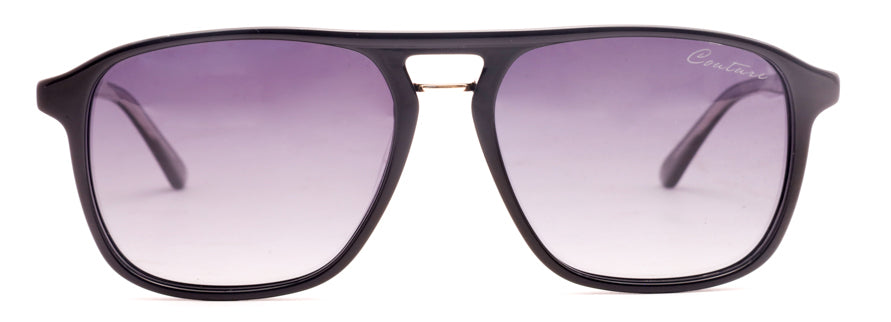
Sunglasses: Essential for protecting your eyes against direct harsh sunlight and glare. Options include polarized lenses (to cut glare), mirrored finishes, and gradient shades—all of which can also be made with prescription lenses.
3. Lens Materials Explained
The material of your lens influences how light, durable, and comfortable your glasses will feel throughout the day:
|
Material Type |
Key Characteristics |
Best Suited For |
|---|---|---|
|
Glass Lenses |
Delivers superior clarity but is heavier and more prone to shattering. |
High optical clarity needs. |
|
Plastic Lenses |
Lightweight, shatter-resistant, and cost-effective. |
Everyday prescription glasses. |
|
Polycarbonate |
Highly impact-resistant, thin, and lightweight. |
|
|
Trivex Lenses |
Ultra-lightweight with exceptional optical sharpness and high impact protection. |
Active lifestyles and frameless designs. |
4. Lens Treatments & Coatings
Specialized coatings significantly enhance durability and visual comfort:
- Anti-Reflective (Anti-Glare) Coating: Eliminates reflections, improving clarity for night driving and computer work.
- Scratch-Resistant Coating: Provides a hard protective layer to safeguard lenses against daily wear and tear.
- UV Protection Coating: Blocks harmful solar UV rays, preserving long-term eye health under the Zambian sun.
- Blue Light Blocking Coating: Filters screen glare and reduces eye strain from electronic devices.
5. Selecting Frame Styles & Materials
Your frame choice supports the lenses while defining your personal look. Frame Styles:
- Full-Rim: Fully surrounds the lens for maximum durability and classic styling.
- Semi-Rimless: Outlines only the top half of the lens for a sleek, lightweight profile.
- Rimless: Attaches temples directly to the lenses without a perimeter frame for a modern, minimalistic look.
- Flexible Frames: Crafted from bendable materials that withstand accidental drops and bending.
Frame Materials: Options include durable Metal (stainless steel or titanium), versatile Plastic/Acetate in vibrant colors, lightweight Nylon for sports, and eco-friendly Wooden frames for a unique natural texture.
Ready to upgrade your vision? Book an eye exam at one of our Optica branches in Zambia today to find the perfect pair for your everyday needs.